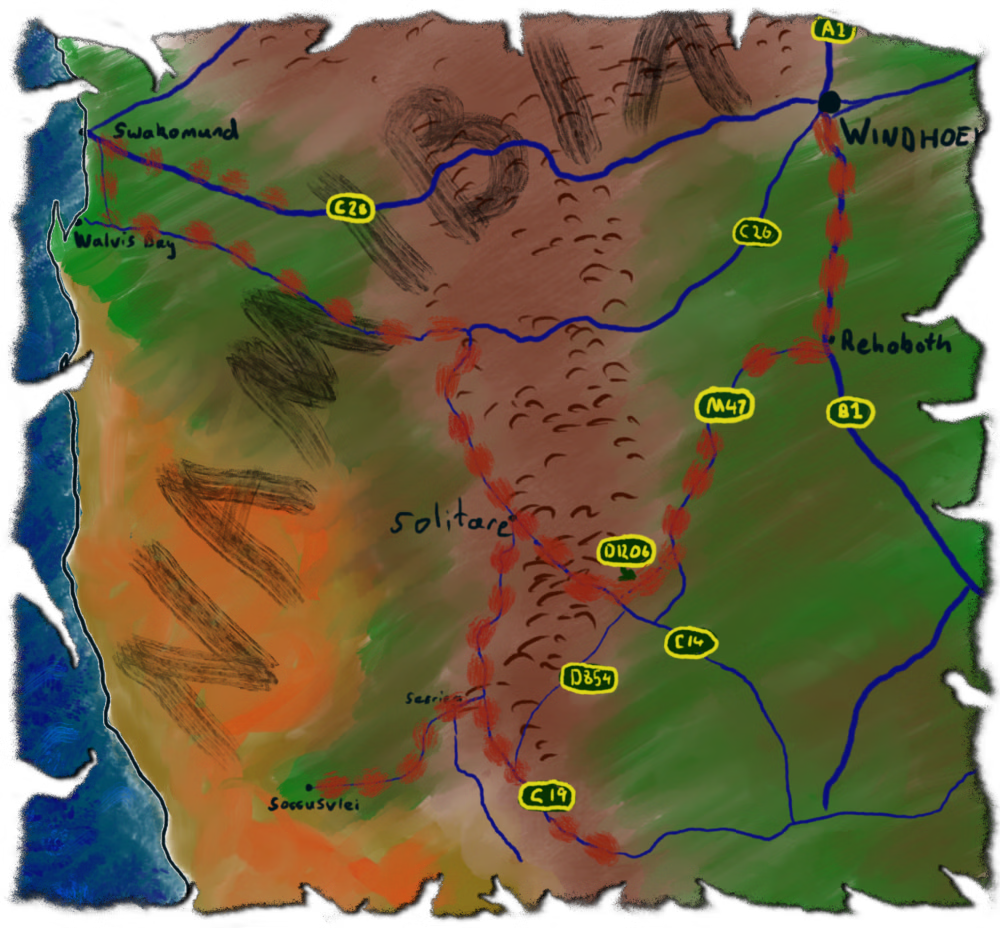
 Another entry in my not-a-travel-blog - this time sketching out the start of our Namibia odyssey. We flew into Windhoek and picked up our rental - a large Ford Ranger. After a much too short lesson on how drive a 4wd vehicle, what to expect on Namibian roads, and a long checklist of things not covered by insurance we were on the road.
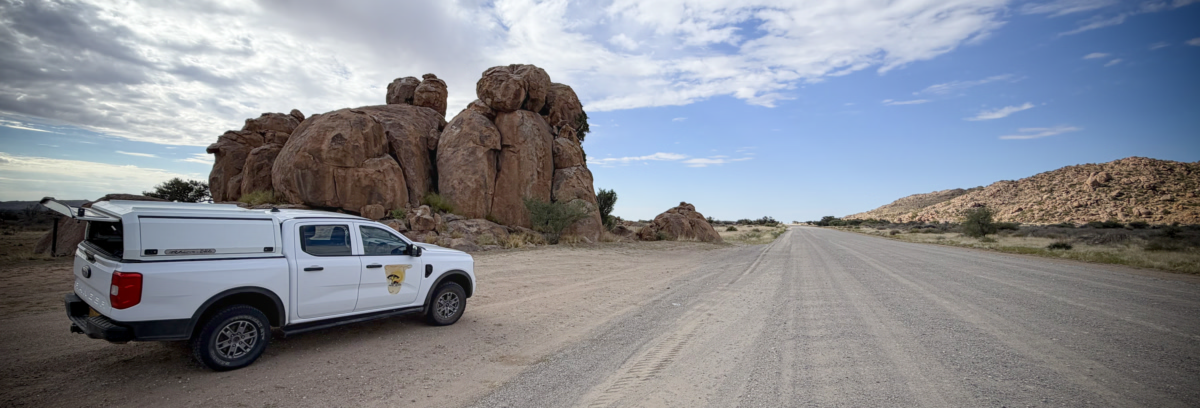
I was initially quite nervous about driving in Namibia but it is not as bad as it might first appear. There were only a couple of places that we actually needed the 4wd, what is more important in ground clearance - once off the main roads you are on generally well-graded but often rutted gravel. Although Namibia is largely desert it actually rains heavily quite often but only long enough to wash out the road-graders' careful work and leave muddy lakes where the middle of the road should be. Nevertheless we made it to our destination, a lodge close to the Namib-Naukluft National Park, home of the Sossusvlei salt/clay pan.
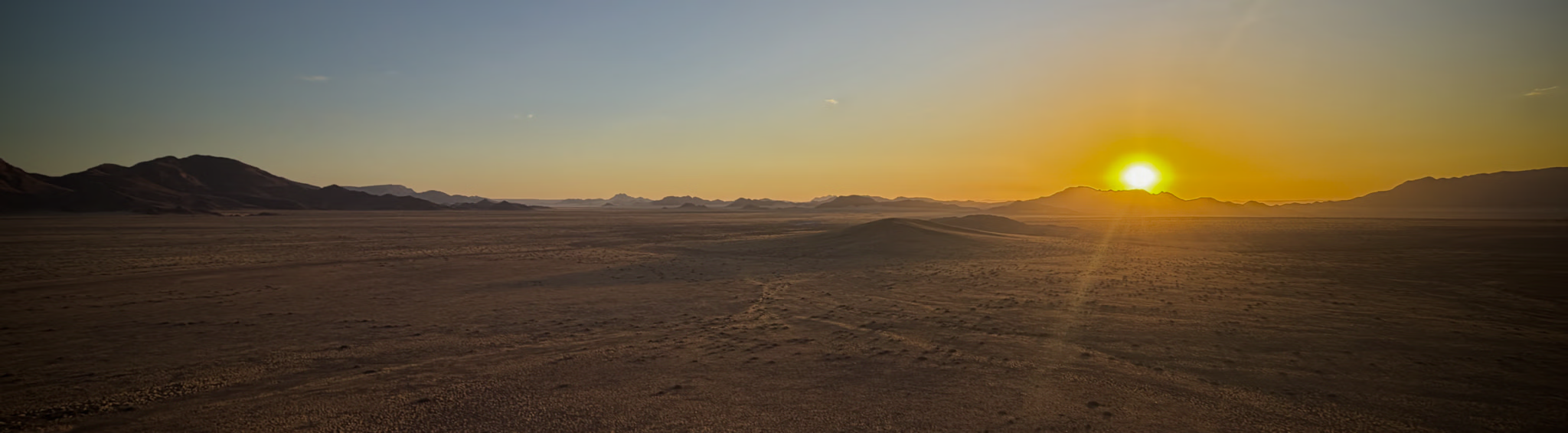
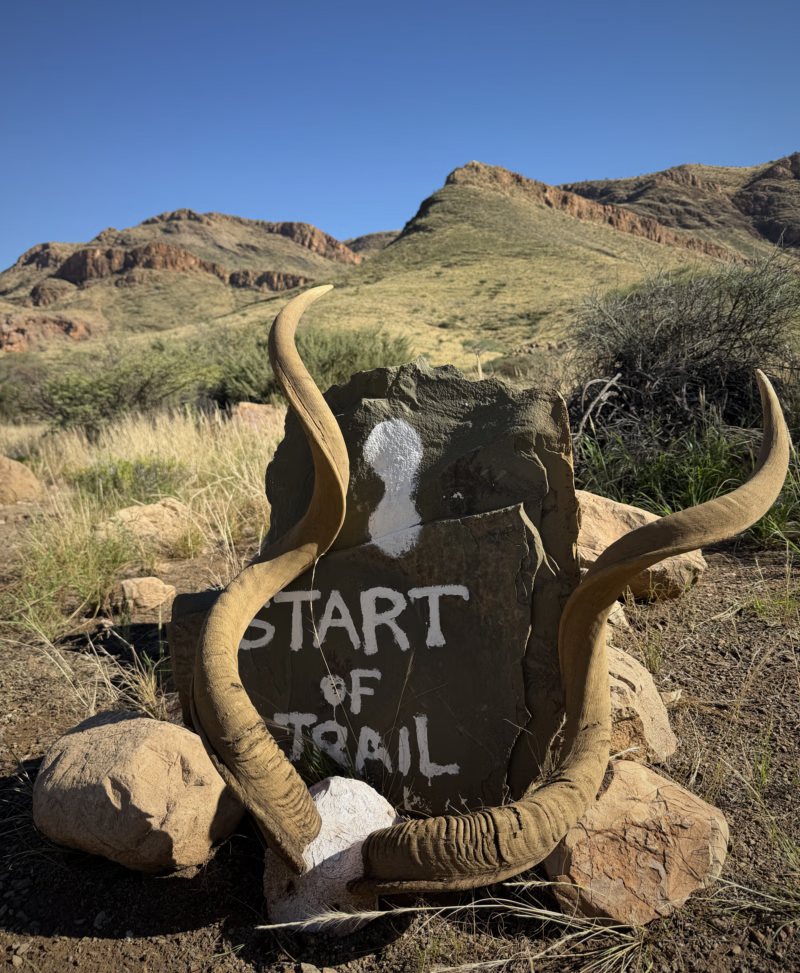
The Olive Trail is well (if a little alarmingly) signposted.But first we decided to try something different and do the Olive Trail at the nearby Naukluft Mountains. Roughly 10km long, the Olive Trail was a great introduction to Namibia. The first part is a climb up to a plateau with amazing views then the track plunges into a narrow gully for a winding return.
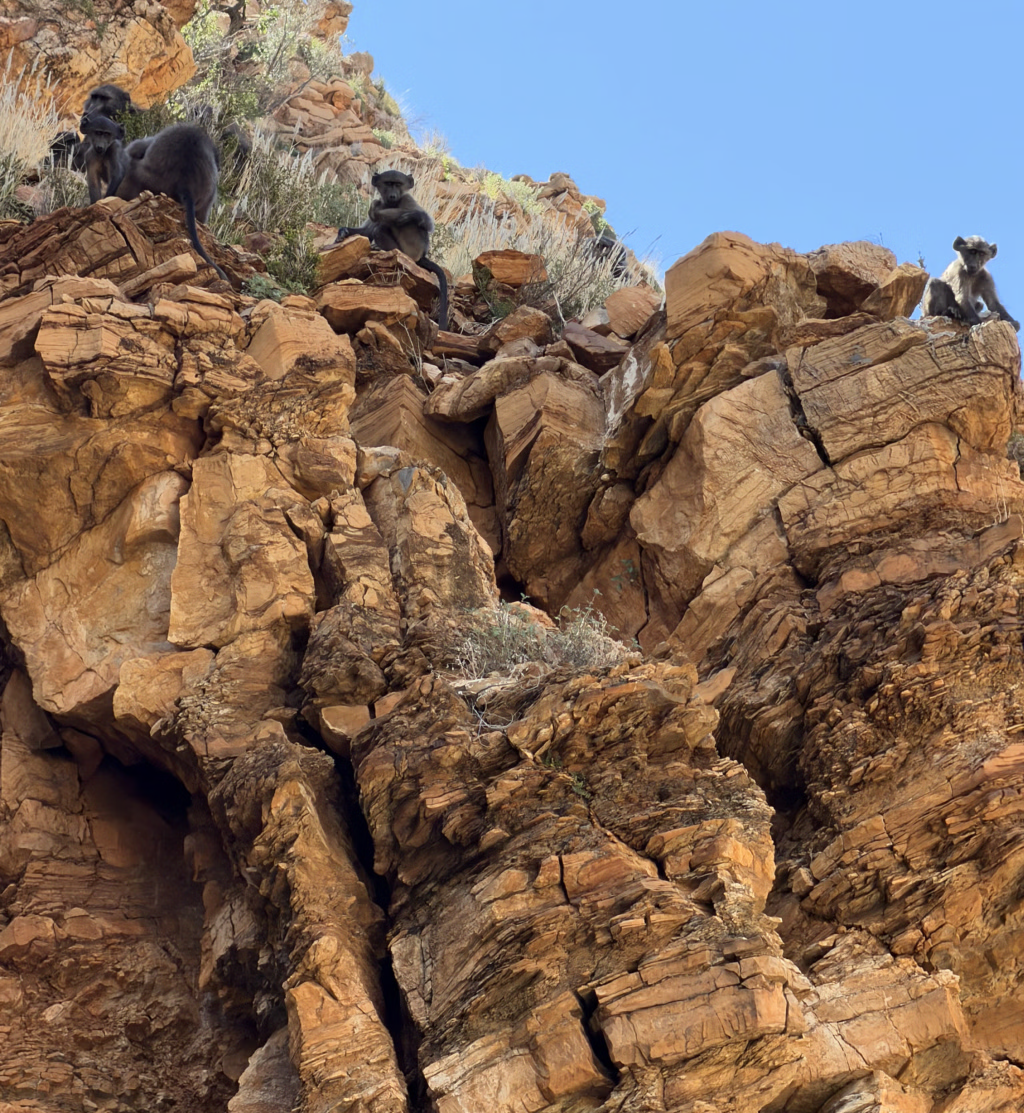
One section of the gully was occupied by a troop of baboons who eyed us from their high ground on the gully wall. I wasn't particularly happy to see them but they caused us no trouble as we passed beneath them.
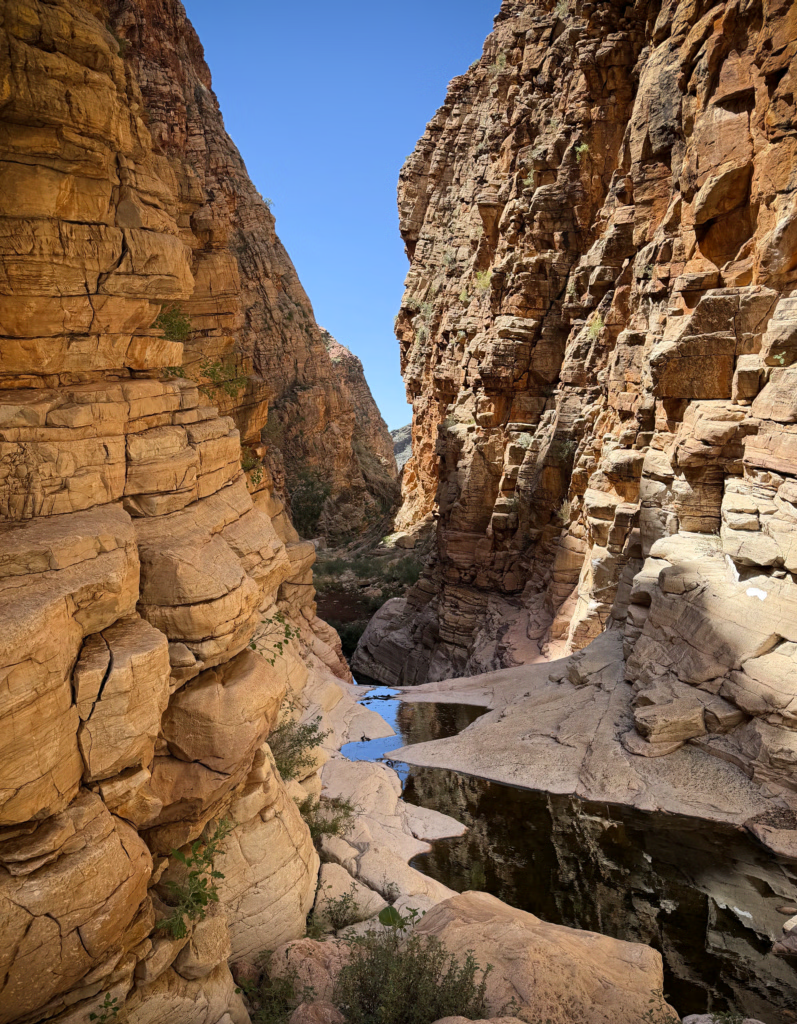
Near the end of the gully the floor is completely flooded and one must clamber around the walls using chains affixed meters up the sides.
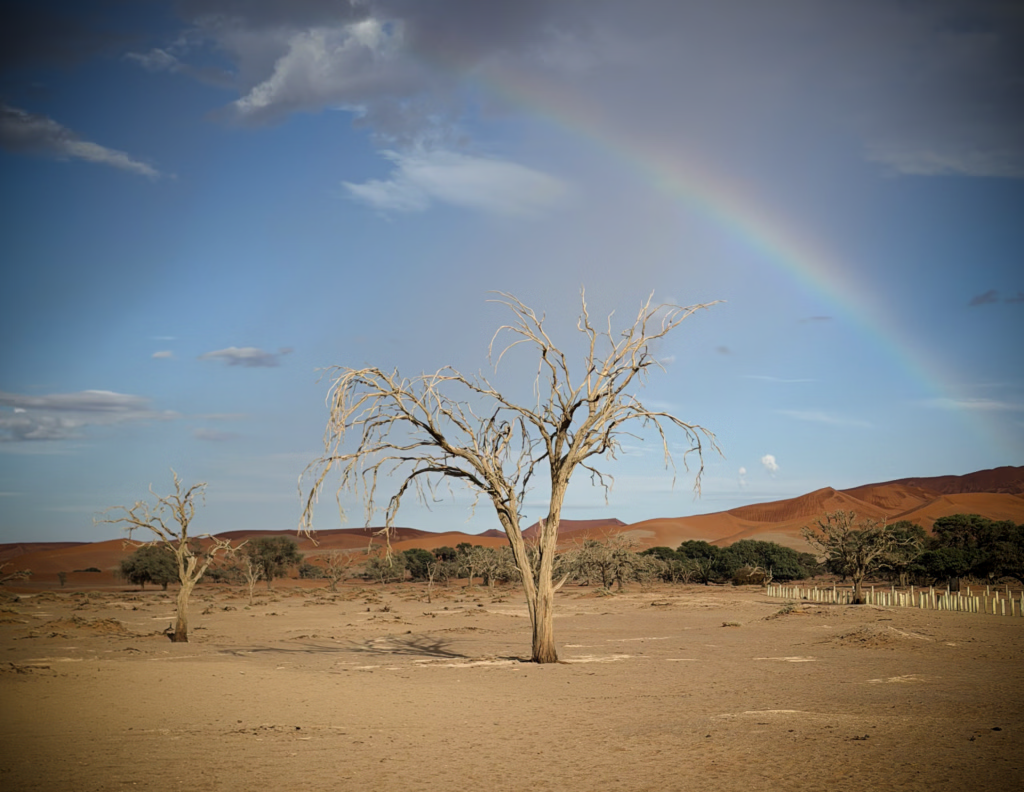
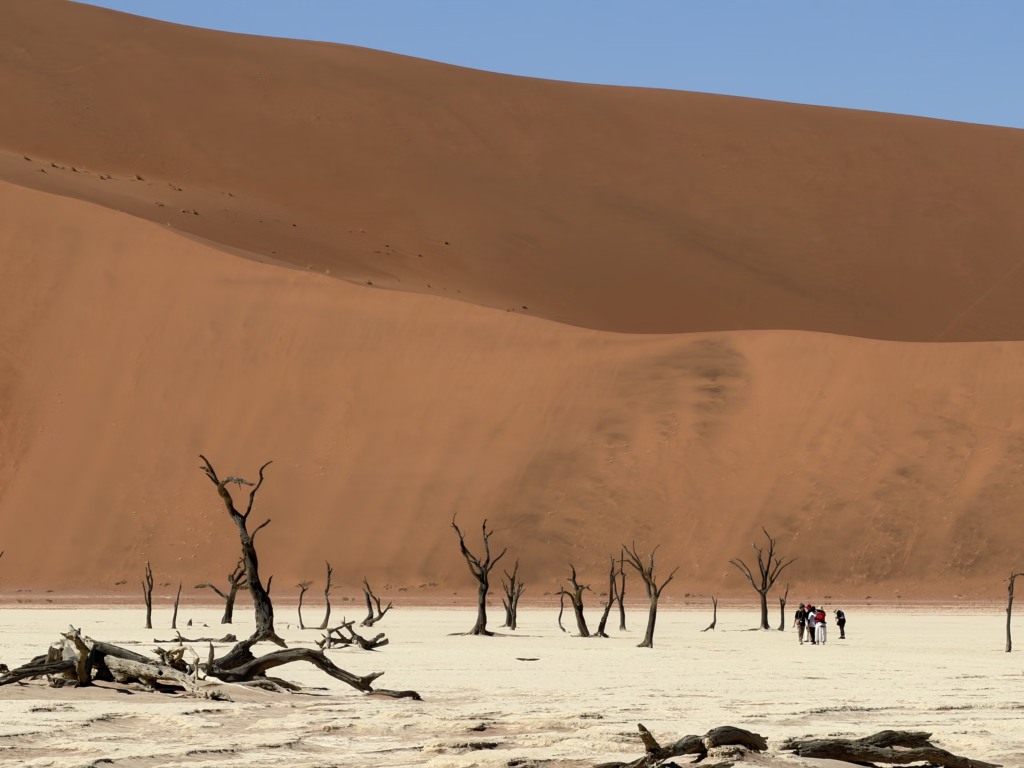
The next day we went to Sossusvlei, one of the picture postcard destinations in Namibia. The red dunes, white clay, and black trees make quite a sight.
The roads through the park are great but to get to Sossusvlei proper you must cross about a kilometer of very soft sand. We had been forewarned and had gotten our tires deflated at the entrance to the park. The secret is just to keep moving forward and make no sudden turns as the sand turns your steering directives into vague suggestions. There is no danger, all you are risking is a small fee and some ill-concealed amusement from the rangers if you get stuck. We passed more than one vehicle being rescued by park staff but made it out and back without too much trouble.